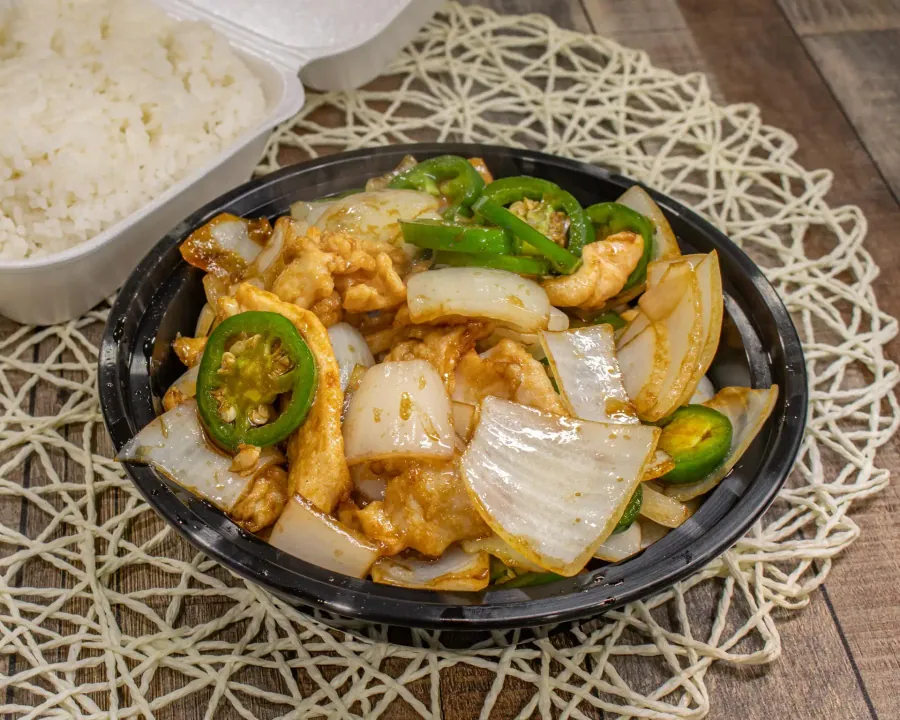
People order from us expecting Szechuan heat and get something sharper and cleaner instead. That surprise is the whole point of Hunan cooking, so it is worth explaining.
The heat comes from somewhere else
Szechuan cooking builds heat around the Szechuan peppercorn, which produces that numbing, buzzing sensation on your lips called málà. The chili is there, but the numbness is the signature.
Hunan cooking skips the numbing almost entirely. The heat is direct: fresh chilies, dried chilies, chili paste, garlic. It hits immediately and it fades cleanly, which means you taste the actual ingredients underneath rather than a lingering tingle.
If you have ever wondered why our Jalapeño Chicken tastes bright rather than heavy, that is why.
Dry heat versus wet heat
There is an old shorthand in Chinese cooking: Szechuan is dry heat, Hunan is wet heat.
Szechuan dishes often reduce down to a thick, oily, clinging sauce. Hunan dishes tend to be saucier and rely on steaming, smoking and braising alongside the wok. The result is food that feels less oily and reads as fresher.
Sourness and smoke
Hunan cooking leans on pickled and smoked ingredients in a way Szechuan generally does not. Smoked pork, pickled chilies and preserved vegetables all show up regularly, adding a sour backbone that cuts through the chili.
What this means for ordering
If you want heat that announces itself and then gets out of the way, order toward the Hunan side of our menu. If you want a slow build, go for the dishes with heavier sauces.
And if you want the heat entirely on your own terms, take home a jar of our chili oil and decide for yourself.
Hungry now?
Four Houston kitchens, open daily 11 AM to 9 PM. Order online for pickup or delivery.
Keep reading
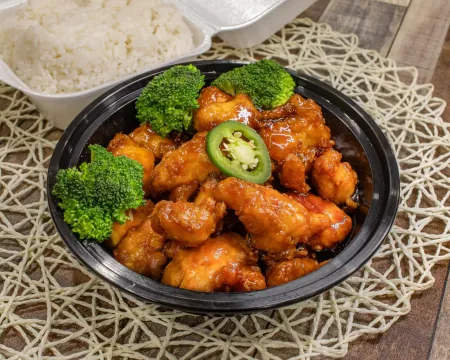 What to order at Hunan King if it is your first time Four dishes that tell you everything about how this kitchen cooks, plus what to skip until your second visit. 2 min read →
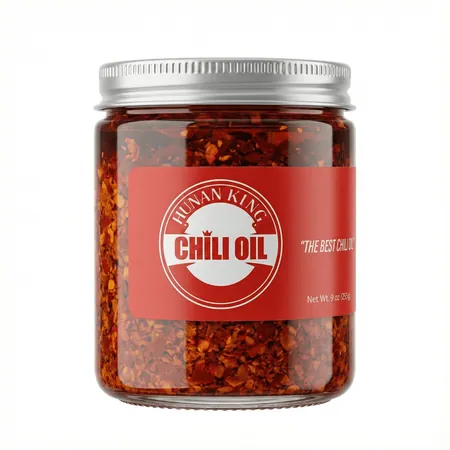 Twelve things to spoon chili oil over that are not noodles The jar is good on noodles. It is also good on eggs, cheese, ice cream and a few things we had to be talked into trying. 2 min read →
 Pickup or delivery? What actually survives the trip Some dishes travel beautifully and some lose the thing that made them good. Here is how we would order either way. 2 min read →